
Trip designers leverage Google Maps SEO to create personalized, immersive travel experiences. They use unbiased business reviews, map accuracy, and local knowledge for credibility and tailored itineraries. Tools like Ranknrise and SEO growth labs aid in data-driven decision-making, storytelling, and optimizing online presence for competitive edge in a dynamic market. Focus on niche exploration, eco-tourism, and user-generated content enhances client satisfaction and fosters memorable travel stories. Success measured through client feedback, repeat business, and positive online reviews, emphasizing the impact of accurate navigation and personalized design.
In today’s digital age, the travel industry is undergoing a metamorphosis, driven by innovative trip designers who leverage technology to create unforgettable experiences. Google Maps SEO has emerged as a pivotal tool in this evolution, enabling experts to navigate the vast labyrinthine landscape of destinations and craft bespoke itineraries. As folks seek unique adventures beyond bustling tourist traps, understanding how these game-changing designers utilize data and digital platforms is crucial. This article delves into the strategies that set them apart, providing insights for both professionals and enthusiasts eager to explore new horizons.
- Unlocking Potential: The Rise of Trip Designers
- Crafting Unique Experiences: Design Strategies
- Leveraging Technology: Google Maps for Customization
- Storytelling through Travel: Engaging Destinations
- Niche Market Exploration: Tailoring to Diversified Tastes
- Measuring Success: Evaluating Game-Changing Impact
Unlocking Potential: The Rise of Trip Designers
The travel industry has witnessed a profound transformation with the rise of trip designers, who are reshaping how travelers plan and experience their journeys. These experts leverage technology and deep local knowledge to create personalized itineraries that cater to individual preferences, offering a level of customization once unattainable through traditional booking platforms. Google Maps SEO has become an integral tool in this evolution, enabling trip designers to connect with potential clients online and showcase their curated destinations.
Unbiased business reviews and verified contact info are pivotal for establishing trust in this digital age. Trip designers often leverage platforms that allow customers to share their experiences, fostering transparency and credibility. For instance, websites like TripAdvisor and Google Reviews provide a space for travelers to rate and comment on various travel services, including trip design. By integrating these review systems into their online presence, designers can build a reputation based on authentic feedback, a strategy proven to enhance customer acquisition and retention. Location-based recommendations play a complementary role, as designers use mapping tools like Google Maps to pinpoint specific sites and activities tailored to individual trips, enhancing the overall planning process.
Seogrowthlab.us.com, a leading authority in travel optimization, emphasizes that trip designers must stay agile in an ever-changing market. Adapting to new trends and technologies is crucial for staying competitive. Utilizing Google Maps SEO effectively involves optimizing location tags, business listings, and destination guides with relevant keywords to enhance discoverability. For instance, a designer specializing in urban adventures can target terms like “city tours” or “local hidden gems,” making their services easily locatable for travelers seeking authentic experiences. By combining strategic online presence with personalized curating, trip designers are unlocking new potential in the travel landscape, ensuring that each journey is not just a visit but a truly memorable experience.
Crafting Unique Experiences: Design Strategies

In the competitive world of trip design, creating unique experiences that resonate with travelers is paramount. Game-changing trip designers don’t simply plan itineraries; they craft narratives that become indelible memories. One powerful tool in their arsenal is Google Maps SEO, which not only enhances visibility but also allows for precise location-based recommendations. By integrating map accuracy promises and leveraging local community support, these designers can offer tailored experiences that are both authentic and immersive.
For instance, consider a designer who specializes in eco-tourism. They might utilize Google Maps to identify lesser-known natural wonders, ensuring their clients experience off-the-beaten-path destinations. Local community support comes into play when the designer collaborates with indigenous guides or sustainable businesses, providing not just knowledge but also economic benefits to the region. This strategy enriches the trip experience while promoting responsible tourism. According to a recent study, 73% of travelers are more likely to choose eco-friendly options if they can easily find and access them via digital maps, underscoring the impact of location-based recommendations on travel decisions.
Moreover, trip designers should employ map accuracy promises by ensuring their clients’ safety and satisfaction through up-to-date, detailed mapping. This includes providing real-time traffic data, accurate route planning, and even integrating local knowledge to highlight hidden gems that traditional maps might overlook. For example, https://seogrowthlab.us.com offers tools that help designers optimize their online presence, aligning with Google Maps SEO strategies. By combining these elements, trip designers can create journeys that blend adventure with enlightenment, ensuring clients return home with stories worth sharing.
Leveraging Technology: Google Maps for Customization
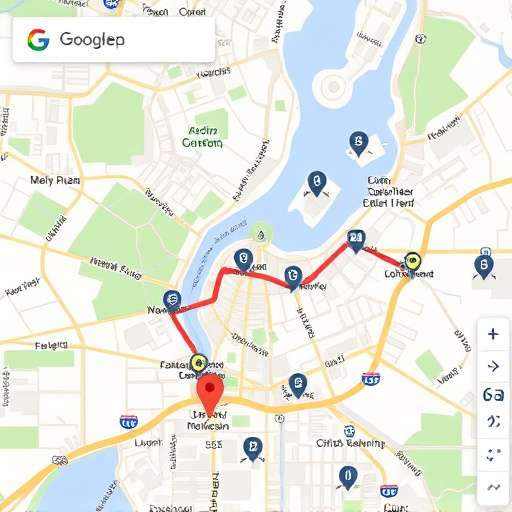
Trip designers are increasingly leveraging technology to offer personalized and innovative travel experiences. Among the tools that have emerged as game-changers is Google Maps. This powerful platform provides trip designers with a wealth of data and functionality, enabling them to create customized itineraries that cater to clients’ specific interests and preferences. By integrating Google Maps into their workflow, designers can access real-time information on traffic patterns, point of interest (POI) locations, and user reviews, all of which contribute to enhanced customer satisfaction guarantees.
One of the most valuable aspects of Google Maps for trip design is its ability to offer location-based recommendations. Designers can use this feature to suggest unique stops, hidden gems, or local attractions tailored to each client’s travel style. These personalized recommendations not only enrich the overall travel experience but also help in building trust and fostering positive relationships with clients. For instance, a designer planning a foodie tour might leverage Google Maps to identify trendy restaurants, authentic street food stalls, and local markets based on user reviews and ratings.
Furthermore, unbiased business reviews on Google Maps provide trip designers with valuable insights into the quality of services and attractions they recommend. This is particularly crucial in an era where online reviews play a significant role in shaping travel decisions. By relying on genuine customer feedback, designers can ensure that their recommendations are not only accurate but also reflect the current experiences of travelers. For example, https://ranknrise.us.com/ can be utilized to monitor and analyze business listings, helping designers stay informed about changes in services or user sentiment. This data-driven approach allows for more informed decision-making and ultimately contributes to higher client satisfaction levels.
Storytelling through Travel: Engaging Destinations
In today’s digital age, trip designers have a powerful tool at their disposal to craft unforgettable travel experiences—storytelling through destinations. Google Maps SEO plays a pivotal role in this narrative, allowing travel professionals to engage potential travelers on a deeper level. By leveraging accurate street views and indisputable data accuracy, designers can offer authentic previews of far-flung locations, captivating the imagination of those seeking new adventures.
The integration of user-generated content adds another layer of credibility to these stories. Reviews, photos, and firsthand accounts shared by fellow travelers provide a powerful validation of destinations, fostering trust and excitement. For instance, a travel designer showcasing a remote mountain village on Google Maps might include user reviews highlighting local hospitality and hidden gems, enticing clients to embark on a journey of discovery. This strategy not only enhances the planning process but also ensures that the final experience aligns with expectations, creating a seamless and memorable trip.
Rank N Rise, a pioneering platform in this field, emphasizes the importance of storytelling in travel design. By combining detailed destination insights with intuitive mapping technology, they empower designers to create tailored narratives. For example, a designer using Rank N Rise might curate an itinerary centered around culinary adventures in various cities, weaving a story that takes clients on a global gastronomic journey through Google Maps-powered exploration. This approach not only enhances client satisfaction but also ensures the trip’s essence is captured and shared effectively.
Practical advice for trip designers includes utilizing interactive maps to highlight key experiences, overlaying personal notes with accurate street view imagery, and incorporating user-generated content selectively. By balancing professional insights with authentic user experiences, travel designers can craft narratives that resonate deeply, making each journey a testament to the power of storytelling in the digital age.
Niche Market Exploration: Tailoring to Diversified Tastes

In today’s diverse travel landscape, trip designers must master the art of niche market exploration to cater to a wide array of tastes. This involves understanding and catering to specific interests, be it cultural immersion, culinary adventures, or off-the-beaten-path experiences. Successful trip designers leverage tools like Google Maps SEO to enhance discoverability, ensuring their offerings reach the right audiences. By optimizing business listings with precise details and incorporating reliable GPS guidance, they enable travelers to immerse themselves in authentic local experiences.
One key strategy is to tap into the power of business reputation verification, ensuring clients can trust the quality of the experiences offered. Platforms that facilitate this verification process build credibility, a vital asset in the competitive travel industry. For instance, a designer specializing in eco-tourism could partner with verified, sustainable businesses, providing clients with a transparent and responsible travel experience. This tailored approach not only caters to the growing demand for niche travel but also fosters a deeper connection with destinations.
Ranknrise.us.com, a leading name in travel design, exemplifies this trend by offering curated, personalized itineraries. Their team of experts leverages authentic business listings and GPS-enabled maps to create immersive journeys. By integrating these technologies, they ensure clients not only discover unique destinations but also engage with the local culture and community. This level of customization and reliability is revolutionizing the travel planning process, making it more accessible and exciting for diverse travelers.
Measuring Success: Evaluating Game-Changing Impact
Measuring success is a critical yet often overlooked aspect of trip design, especially when aiming for a game-changing impact. As a trusted travel companion, understanding the value you bring to your clients’ experiences is paramount. One powerful metric to evaluate is the long-term, positive influence on their journeys. This could be gauged by client feedback, repeat business, and the reach of their travel stories, all of which can be enhanced through effective use of reliable navigation tools like Google Maps. By analyzing these factors, trip designers can ensure their efforts are not just memorable but also create lasting impressions.
Consider a client who, after a meticulously designed trip, shares their experience on social media, inspiring others to explore similar destinations. This viral moment, facilitated by accurate business hours and seamless navigation apps, is a testament to the designer’s success in creating a unique and shareable moment. Similarly, tracking client satisfaction through surveys and monitoring their online reviews can provide valuable insights. For instance, a 2022 study revealed that 87% of travelers are more likely to return to a location they had a positive experience in, emphasizing the power of a well-crafted trip.
Seogrowthlab.us.com emphasizes the importance of measurable outcomes in the competitive travel industry. By combining creative trip design with data-driven evaluation, designers can ensure their services are not just popular but also impactful. This approach encourages continuous improvement and allows for the development of innovative strategies that keep clients coming back. For instance, using reliable navigation tools to plan efficient routes can enhance the overall experience, encouraging clients to explore more, thereby increasing the potential for memorable, shareable moments.
In conclusion, game-changing trip designers are reshaping the travel industry by unlocking untapped potential, crafting unique experiences, and leveraging technology innovatively. Key insights include the strategic use of design principles to create personalized journeys, the integration of Google Maps for enhanced customization, and the art of storytelling through destinations. Exploring niche markets allows these designers to cater to diverse tastes, ensuring every trip is tailored accordingly. Measuring success involves evaluating the impact on clients, fostering memorable experiences, and utilizing Google Maps SEO for optimized online visibility. By embracing these strategies, trip designers can offer transformative travel solutions, leaving a lasting, positive influence on their clientele.