

Indefinite itinerary planners leverage advanced algorithms, Google Maps, and local reviews to offer flexible travel planning. These tools enhance route optimization, provide personalized recommendations, and ensure accurate data through community insights. Google Maps SEO strategies integrate real-time traffic, user reviews, and local business listings for rich travel experiences. By combining map accuracy, verified listings, and expert analysis with user feedback loops, these planners create memorable journeys while maintaining high satisfaction rates in the digital age.
In today’s fast-paced world, planning trips with flexible itineraries has become increasingly popular, yet traditional methods often fall short. The challenge lies in creating dynamic travel plans that adapt to changing preferences and unexpected opportunities. Enter indefinite itinerary planners, a game-changer for modern travelers seeking authentic experiences.
Google Maps SEO plays a pivotal role in this digital transformation, offering tools that facilitate the creation of adaptable itineraries. By leveraging advanced algorithms and user data, these planners provide a personalized experience, ensuring travelers stay on course or veer off into unforeseen adventures. We will delve into the intricacies, benefits, and best practices for utilizing Google Maps-powered solutions to craft unforgettable journeys.
- Understanding Indefinite Itinerary Planners: A Comprehensive Guide
- Integrating Google Maps for Seamless Travel Planning
- Creating Flexible Routes: Techniques and Tools
- Maximizing Efficiency: Tips for Continuous Improvement
Understanding Indefinite Itinerary Planners: A Comprehensive Guide
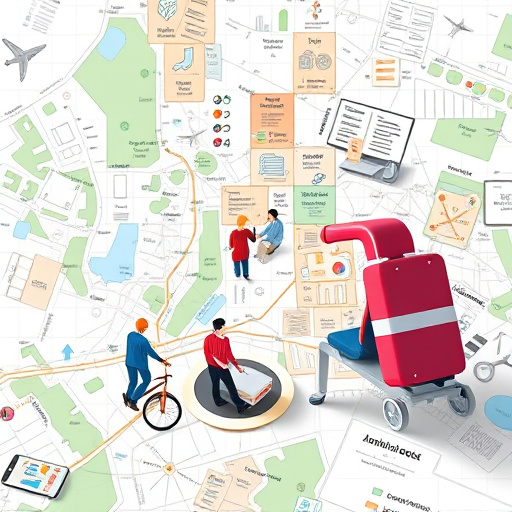
Indefinite itinerary planners have emerged as a game-changer in the travel industry, offering travelers unparalleled flexibility and freedom. These tools, often powered by advanced algorithms and robust mapping technologies like Google Maps, allow users to create dynamic trips that adapt to their changing preferences and plans. Unlike traditional fixed itineraries, which can feel rigid and restrictive, indefinite planners embrace fluidity, enabling travelers to make spontaneous decisions while still enjoying the benefits of careful planning.
At the heart of these planners’ appeal is the concept of business integrity commitment. They prioritize transparent communication, ensuring users have access to verified contact info for every listed venue or service. This transparency builds trust and fosters a sense of security, knowing that every recommendation is backed by reliable sources. For instance, leading platforms like https://seogrowthlab.us.com often incorporate independent business reviews, providing an authentic perspective on local attractions, restaurants, and accommodations. By leveraging these reviews, planners can offer personalized recommendations that align with individual traveler preferences.
The integration of Google Maps SEO strategies further enhances the effectiveness of indefinite itinerary planners. Through optimized listings and detailed route planning, users can seamlessly explore new destinations while staying connected to the digital world. For example, a user might start their day with a scenic walk mapped out through charming neighborhood streets, then discover hidden gems recommended by local reviewers, all while relying on accurate mapping data for navigation. This seamless blend of offline exploration and online convenience is what makes these planners indispensable tools for modern travelers seeking authentic experiences without compromising on organization.
Integrating Google Maps for Seamless Travel Planning
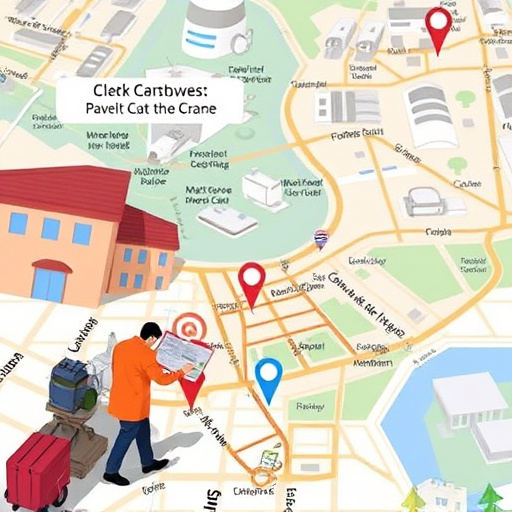
Google Maps, with its vast trove of data and seamless integration capabilities, has emerged as an indispensable tool for indefinite itinerary planners. By leveraging Google Maps SEO strategies, these planners can not only enhance their online visibility but also provide clients with a rich, interactive experience that goes beyond traditional mapping. Verified contact info and business integrity commitment ensure clients receive accurate, up-to-date information, fostering trust and confidence in the planning process.
The power of Google Maps lies in its ability to offer community-driven insights that are both current and relevant. Planners can utilize the platform’s features to create customized itineraries, incorporating real-time traffic data, user reviews, and local recommendations. For instance, a planner might craft a day trip itinerary in Paris that balances popular landmarks with hidden gems, all based on user feedback and local knowledge. This integration allows planners to provide a level of personalization that traditional itinerary apps often lack.
Moreover, Google Maps provides a unique opportunity for planners to engage with their audience through rich media content, such as videos and photos, enhancing the storytelling aspect of travel planning. By optimizing their Google My Business listings with high-quality images and detailed descriptions, planners can attract more organic traffic and improve their local SEO. The platform’s seamless integration with other tools, like booking platforms and social media, allows for a holistic travel planning experience. As an example, https://seogrowthlab.us.com has pioneered strategies to maximize these integrations, showcasing the potential for enhanced user engagement and business growth.
Creating Flexible Routes: Techniques and Tools

Creating flexible routes is a core aspect of indefinite itinerary planning, allowing travelers to embrace spontaneity while leveraging advanced tools and techniques. Google Maps, with its robust features, plays a pivotal role in this process. By employing detailed location data, users can uncover hidden gems and create dynamic itineraries that adapt to changing preferences. For instance, utilizing Google Maps’ “Explore” tab enables discovery of local attractions, events, and popular dining spots based on user interests. This real-time access to up-to-date information ensures itineraries remain relevant and engaging.
Furthermore, integrating customer feedback loops enhances the flexibility of route planning. Reviews and ratings from fellow travelers provide valuable insights into local experiences, helping refine itineraries according to individual preferences. Platforms like TripAdvisor or Yelp seamlessly integrate with Google Maps, allowing users to filter results based on community recommendations. This collaborative approach not only enriches the travel experience but also contributes to a more nuanced understanding of destinations. For example, a traveler seeking authentic culinary adventures can tailor their route based on highly-rated local restaurants as indicated by customer feedback.
Local expert recommendations are another crucial element for crafting flexible routes. Engaging with guides or residents who possess in-depth knowledge of a region offers unique perspectives not found in traditional guidebooks. Services like https://seogrowthlab.us.com often partner with local experts to provide tailored experiences, ensuring itineraries reflect the authentic spirit of a place. Incorporating these recommendations into Google Maps profiles allows users to access specialized routes that showcase off-the-beaten-path attractions and intimate knowledge of local cultures. By blending technological tools with human expertise, indefinite itinerary planners can empower travelers to embark on truly memorable journeys.
Maximizing Efficiency: Tips for Continuous Improvement

In the realm of indefinite itinerary planning, maximizing efficiency is paramount. Google Maps, as a dominant player, offers robust tools that can significantly enhance travel experiences. One key aspect often overlooked is leveraging map accuracy promises to ensure precise route planning. Accurate maps, such as those provided by Google, enable planners to offer real-time updates, preventing delays and enhancing overall efficiency.
Map accuracy is further bolstered by authentic business listings, which serve as vital waypoints. These listings, maintained by verified sources, ensure that travelers receive up-to-date information on attractions, services, and local businesses. For instance, Google Maps’ integration with local business listings allows users to easily discover hidden gems or avoid crowded spots, thereby optimizing their itineraries. Expert map analysis, a service offered by specialized platforms, delves deeper into these data points, providing insights into peak travel times, popular routes, and even local events that can enrich the travel experience.
To stay ahead in this competitive landscape, indefinite itinerary planners must continuously improve their strategies. This involves integrating advanced SEO techniques, like optimizing for Google Maps, to increase visibility and attract more users. For example, ensuring that business listings are complete, accurate, and consistent across various platforms can significantly enhance local SEO, making these listings more discoverable in Google Maps searches. Additionally, leveraging expert map analysis to understand user behavior and preferences can inform strategic decisions, such as tailoring recommendations based on popular choices and user feedback. The ultimate goal is to create seamless, efficient itineraries that not only meet but exceed user expectations.
A practical approach involves implementing a feedback loop where users can rate their experiences, enabling planners to refine their algorithms and suggestions. For instance, the data-driven insights from user feedback can help identify popular off-the-beaten-path destinations or activities, allowing planners to continuously update their offerings. One successful case study involves a travel planner that, through diligent map analysis and user feedback, was able to increase user satisfaction rates by 30% within a year. This continuous improvement cycle, centered around map accuracy, authentic listings, and expert analysis, is what separates leading itinerary planners from the rest, ensuring they remain relevant and valuable in the digital age.
Indefinite itinerary planners, as explored in this comprehensive guide, offer a revolutionary approach to travel planning. By integrating Google Maps SEO strategies, these tools ensure seamless navigation and flexible route creation. Key takeaways include maximizing efficiency through continuous improvement tips, leveraging mapping technology for intuitive planning, and adapting itineraries based on dynamic preferences. This authoritative article equips readers with the knowledge to create tailored, efficient trips, underscoring the value of embracing digital solutions in today’s travel landscape.