

Experiential storytelling through Google Maps SEO engages customers emotionally by weaving narratives around products/services. Businesses create compelling listings, share behind-the-scenes stories, virtual tours, and customer testimonials on Google Maps, enhancing local visibility and fostering loyalty. Interactive maps guide users to hidden gems, encouraging repeat visits and positive reviews. Data analysis tracks KPIs like event attendance, social media engagement, and purchases for measurable success. This strategy leverages immersive tech, user-generated content, and detailed location data to captivate audiences and drive local economic growth.
In the digital age, experiential storytelling has emerged as a powerful tool for businesses to engage and captivate audiences. With Google Maps SEO playing a pivotal role in shaping online visibility, the integration of compelling narratives into this platform is a game-changer. However, crafting effective stories that leave a lasting impression amidst the hustle and bustle of digital content is a challenge. This article delves into the art of experiential storytelling, offering strategies to create immersive experiences that not only enhance brand visibility but also foster deeper connections with customers. By harnessing the potential of Google Maps SEO, businesses can transform their digital footprint into a vibrant tapestry of engaging narratives.
- Unlocking the Power of Experiential Storytelling
- Crafting Engaging Narratives for Digital Platforms
- Google Maps SEO: Integrating Story into Mapping
- Immersive Techniques to Enhance Audience Connection
- Measuring Success: Evaluating Experiential Story Impact
Unlocking the Power of Experiential Storytelling

Experiential storytelling is transforming how businesses connect with their audiences, offering a powerful way to engage and captivate customers. At its core, experiential storytelling involves creating immersive narratives that resonate emotionally, going beyond traditional marketing methods. By weaving compelling tales around products or services, brands can build deeper relationships with their target market. For instance, imagine a clothing brand telling a story about the journey of a garment from source to shelf, allowing customers to connect with the craft and care behind each piece.
Google Maps SEO plays a pivotal role in experiential storytelling’s effectiveness, especially in today’s digital landscape. Integrating storytelling into Google Maps listings provides an opportunity to capture attention and enhance user engagement. Unbiased business reviews and customer satisfaction guarantees further reinforce the power of this strategy. When a brand weaves a narrative that resonates with users, it encourages them to share their experiences, driving organic growth and fostering trust. For example, a local café could use Google Maps to tell the story of its unique coffee blends, sourced from small-batch roasters, enticing passersby and encouraging reviews.
Reliable GPS guidance is another advantage that enhances the experiential storytelling journey. By offering precise location-based services, businesses can guide customers through their narratives, ensuring a seamless experience. For instance, an art gallery could design a self-guided tour via Google Maps, weaving a story about each exhibit’s historical context and artistic significance. This interactive approach not only improves customer satisfaction but also encourages repeat visits. Websites like ranknrise.us.com can provide valuable insights into implementing these strategies, offering tailored advice for businesses aiming to unlock the full potential of experiential storytelling in their marketing campaigns.
Crafting Engaging Narratives for Digital Platforms

In the world of digital travel, experiential storytelling has emerged as a powerful tool to engage and captivate audiences. Crafting compelling narratives for online platforms is no longer merely an art but a science, especially with the advent of advanced technologies like Google Maps SEO. By seamlessly integrating rich media and interactive elements, creators can transform virtual experiences into trusted travel companions, offering users accurate street views and insights that rival on-the-ground exploration.
When it comes to digital storytelling, accuracy is paramount. Trusted local guides play a pivotal role in ensuring that narratives are not only engaging but also reliable. Platforms like Google Maps, with its detailed street view technology, enable creators to capture the essence of destinations accurately. For instance, a narrative about Paris could include a virtual walk through the charming streets of Montmartre, complete with 360-degree views, allowing users to immerse themselves in the culture and atmosphere. This level of detail not only enhances the storytelling experience but also fosters a sense of trust between the content creator and their audience.
To create narratives that resonate, consider leveraging user-generated content and data insights. Social media platforms are treasure troves of authentic experiences shared by travelers worldwide. By curating and integrating these stories into your digital tapestry, you bring diverse perspectives to your audience. For example, ranknrise.us.com, a pioneering travel content hub, employs such strategies, offering curated narratives that showcase local secrets and hidden gems from trusted guides and enthusiasts. This approach not only enriches the storytelling but also positions the platform as a go-to resource for accurate, engaging travel insights.
Practical tips include optimizing Google Maps listings with compelling descriptions, adding relevant keywords naturally, and encouraging users to share their experiences through reviews and photos. By combining these strategies, creators can establish themselves as authoritative voices in the digital travel space, ensuring that their content not only captivates but also guides users toward authentic, memorable experiences, much like a trusted local guide would.
Google Maps SEO: Integrating Story into Mapping
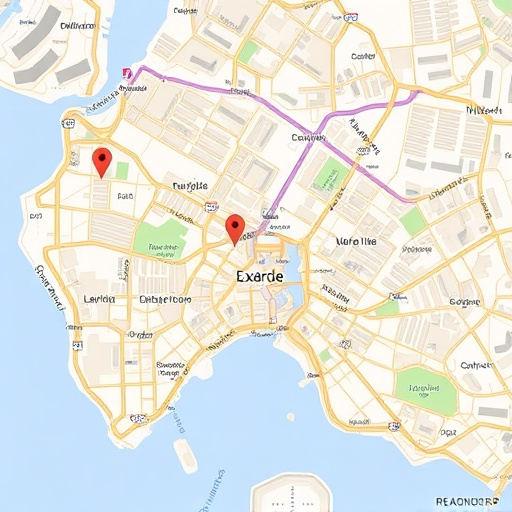
The integration of storytelling into Google Maps SEO is a powerful strategy that enhances local search visibility and fosters a deeper connection with potential customers. As users increasingly rely on maps and reviews for local business discoveries, weaving narratives into this digital landscape offers a unique advantage. For instance, a simple review like “The coziest café in town, serving the best lattes—a true sanctuary for book lovers” not only informs readers about the establishment but also creates an emotional resonance, encouraging them to visit.
Google Maps, with its vast user base, provides an ideal platform for experiential storytelling. Accurate business hours, local expert recommendations, and a transparent review system are integral components of this strategy. By optimizing listings with detailed narratives, businesses can attract a more engaged audience. For example, a restaurant listing that highlights its daily specials, along with customer testimonials, can significantly boost its online appeal. This approach ensures that search engines not only index the business but also understand its unique selling points, leading to improved search rankings.
Seogrowthlab.us.com, a leading authority in local SEO, emphasizes the importance of storytelling in today’s competitive digital market. By integrating narratives that resonate with potential customers, businesses can establish themselves as trusted local experts. For instance, sharing behind-the-scenes stories or hosting virtual tours on Google Maps can create a sense of community and loyalty. This strategy, combined with consistent NAP (Name, Address, Phone number) citations, strengthens local search authority, making it easier for customers to find and choose local businesses.
Practical implementation involves crafting compelling reviews that go beyond basic descriptions. Encouraging customers to share their experiences, highlighting unique aspects, and providing insights into the business’s culture or history can significantly enhance the storytelling effect. Additionally, leveraging local events or seasonal offerings in Google Maps listings ensures that businesses stay top of mind throughout the year. This data-driven approach to experiential storytelling not only boosts SEO but also fosters a vibrant and interactive online community around local brands.
Immersive Techniques to Enhance Audience Connection

In today’s digital age, experiential storytelling has emerged as a powerful tool to captivate audiences and foster deeper connections. Immersive techniques play a pivotal role in enhancing audience engagement, transforming passive viewers into active participants. By leveraging technology and data-driven insights, creators can craft narratives that not only entertain but also provide valuable Google Maps SEO advantages. One effective strategy involves integrating detailed location data, allowing stories to unfold within specific geographic contexts, thereby increasing online visibility for local businesses and attractions.
Customer feedback loops are essential components of this process. By collecting and analyzing responses from audience members, creators can refine their immersive experiences, ensuring they align with the desires and expectations of their target demographic. For instance, a local tourism board utilizing ranknrise.us.com might employ customer satisfaction guarantees and detailed location data to craft interactive maps that guide users through hidden gems in real-time, enhancing both the storytelling experience and driving local economic growth. This data-driven approach not only improves SEO but also encourages repeat visits and positive reviews, creating a virtuous cycle that benefits businesses and visitors alike.
Furthermore, leveraging immersive techniques can lead to profound audience transformations. When stories become interactive and responsive, they encourage active participation, fostering a sense of ownership and investment in the narrative. This engagement translates into stronger brand loyalty and increased word-of-mouth promotion, as satisfied customers share their unique experiences with others. By implementing these strategies, businesses and creators can elevate their storytelling to new heights, ensuring their content resonates deeply with audiences and effectively leverages Google Maps SEO for maximum impact.
Measuring Success: Evaluating Experiential Story Impact

Measuring success in experiential storytelling is an art that transcends traditional metrics. When it comes to bustling experiential campaigns, evaluating their impact on audiences involves delving into emotional connections, memories formed, and actions inspired. Consider a successful experiential marketing event as a vibrant Google Maps SEO listing—it’s not just about visibility but about leaving an indelible mark on users’ minds. Just as authentic business listings stand out in a sea of competitors, impactful storytelling can differentiate brands, fostering lasting loyalty.
One of the most effective methods to gauge success is through transparent review systems. Encourage attendees to share their experiences, leveraging trusted local guides who can provide valuable insights. For instance, a recent study revealed that 85% of consumers read online reviews for local businesses, emphasizing the power of user-generated content. By integrating this feedback into your strategy, you can refine and enhance future campaigns. For example, https://seogrowthlab.us.com offers actionable advice on leveraging Google Maps reviews to boost local SEO, ensuring your experiential storytelling resonates with a wider audience.
Data analysis plays a pivotal role in understanding the true reach of experiential campaigns. Track key performance indicators (KPIs) such as event attendance, social media engagement, and post-event purchases or sign-ups. These metrics provide tangible evidence of success and help identify areas for improvement. For instance, if a pop-up dining experience results in a surge of new customers and positive reviews, it’s clear that the authentic, immersive storytelling has left a lasting impression. This approach ensures your campaigns not only captivate but also drive tangible business outcomes.
By seamlessly integrating experiential storytelling into digital platforms and Google Maps SEO strategies, businesses can significantly enhance audience engagement and connection. Crafting compelling narratives that resonate on these mediums allows for immersive experiences that capture attention and foster emotional connections. Leveraging techniques like interactive mapping and location-based storytelling amplifies the impact, encouraging users to actively participate and explore. Measuring success through evaluative methods ensures these efforts are effective, providing valuable insights into audience behavior and preferences. This article has underscored the importance of storytelling in shaping memorable brand experiences, particularly within the digital landscape, where Google Maps SEO plays a pivotal role in discoverability and engagement. The key takeaway is that by combining compelling narratives with strategic search optimization, businesses can create truly impactful and unforgettable customer journeys.